Designing a slot with a tennis theme might seem straightforward — tennis rackets, balls, players, courts. But turning those familiar elements into a compelling online slot experience demands more than just sticking visuals on reels. To succeed, developers need to balance instant recognition with clean UI, pacing derived from stevegtennis.com real scoring tension, and a clear understanding that the game's Random Number Generator (RNG) defines outcomes, not theme fluff. This post breaks down the most obvious tennis-themed elements slot developers should consider, while emphasizing how slot math — including Return to Player (RTP) — influences design decisions.

Instant Recognition: Visual Cues Every Tennis Slot Needs
Slot players should immediately sense the tennis atmosphere as soon as the game loads. This requires iconic visuals familiar across the sport’s global audience, delivered cleanly without clutter.
Scoreboard Elements
A tennis scoreboard has distinct features that can double as UI components or thematic graphics:
- Set and Game Scores: Displaying current set and game counts offers clear context. In a slot, these could be positioned near the reels or as part of the paytable. Point Scoring: The unique tennis sequence (15, 30, 40, Advantage) is instantly recognizable and adds authenticity. These can be stylized as symbols or bonus trackers. Player Names and Flags: Use generic player icons or country flags to convey competition without licensing issues.
Integrating scoreboard elements into the UI achieves dual purposes. It reinforces the theme and provides a neat, organized frame to display game data without distracting from gameplay.
Court Lines as UI and Visual Design
The traditional tennis court layout offers a logical, clean structure that slot interfaces can emulate. Consider how the boundary and service lines can frame reels or separate areas:
- Reels as Court Sections: Reels can align with baseline or service box divisions, making spins feel like shots crossing the net. Animation Inspiration: Ball bounces, serve animations, or net interactions add life while respecting spatial logic. Color Palette: Use classic green, blue, and white court colors to establish mood without clashing with payline visuals.
Designers should avoid overcrowding the screen with needless decorations. Instead, lean on the tennis court’s geometric clarity as a visual anchor, helping players instinctively recognize interaction zones.
Scoring Tension and Pacing: Using Match Moments for Game Flow
Tennis is a sport defined by moments of tension — a break point here, a tie-break there, and ultimately match point. These moments inspire pacing decisions in slots when incorporating bonus rounds or free spins.
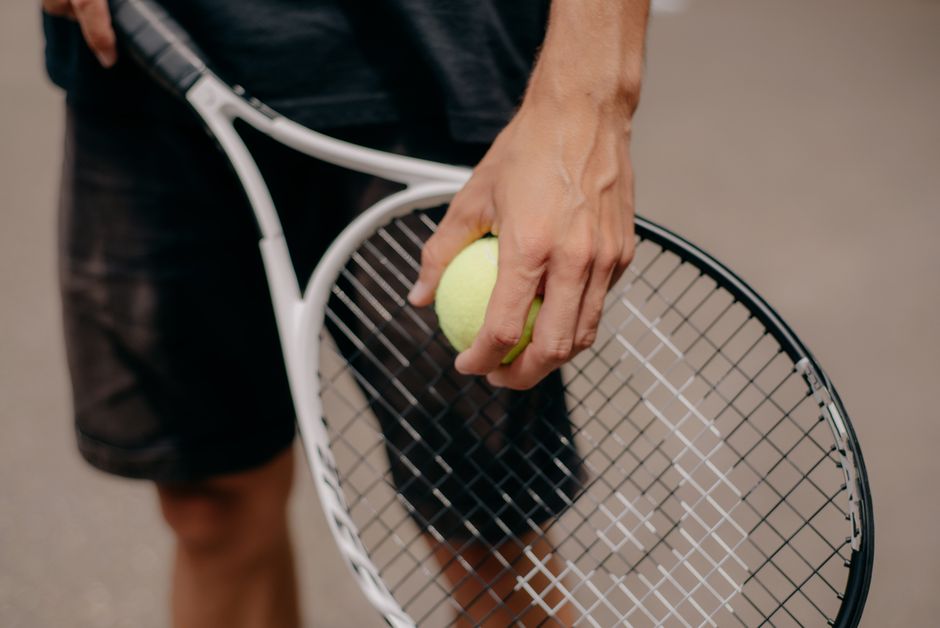
Break Point and Tie-Break Inspiration for Bonus Mechanics
Rather than vague words like "winning streaks," use actual tennis scoring tension to craft bonus triggers:
- Break Point Bonuses: Trigger when certain reel combinations align, symbolizing the crowd-holding breath moment before a crucial point. Tie-Break Free Spins: A dedicated bonus round with tighter paylines or increased multipliers matches the heightened excitement and uncertainty of a tie-break. Match Point Jackpot: The highest reward unlocks when players reach key milestones, emulating the climax of a tennis match.
These timed and thematic triggers help regulate pacing, transitioning players between base spins and bonus excitement organically—mirroring real tennis match rhythms.
Separating Theme from RNG-Based Mechanics
It's vital to remember that no matter the theme, RNG algorithms control outcomes. Winning on a tennis-themed slot is just as random as any other slot. Theme elements add atmosphere and context but don’t influence results. Developers and marketers should resist implying that gameplay skill or “strategy” affects outcomes — it doesn’t.
For example, a "break point" bonus doesn’t mean the player is “breaking the server’s hold” through skill. It’s simply a thematic name for a feature that activates based on RNG-determined spins. This honest separation helps maintain player trust.
Using RTP as a Decision Factor in Theme Design
Return to Player (RTP) percentage is critical both for player appeal and regulatory compliance. But RTP also guides design choices:
- Feature Frequency: More frequent bonus rounds usually lower RTP, but might increase engagement for casual players. Payout Distribution: Tie-break inspired free spins could offer higher volatility, while baseline spins stick to lower-risk payouts. Balancing Bonuses and Base Game: Ensuring the tennis-themed bonuses add excitement without drastically reducing RTP helps retain long-term player satisfaction.
Developers should finalize RTP and volatility parameters early to ensure thematic elements don't misalign with payout expectations.
Core Visual and Thematic Elements Summary
Element Role in Tennis Slot Design Tips Scoreboard elements UI framework and thematic reinforcement Use traditional scoring visuals (15, 30, 40), keep layout clean Court lines Spatial structuring of reels and animations Align reels with court sections, use authentic colors and geometry Tennis iconography (rackets, balls) Visual symbols on reels and bonuses Avoid clutter; focus on clarity and immediate recognition Trophy bonuses Ultimate reward representing championship win Reserve for highest-value feature, triggered by rare combinations Bonus triggers based on scoring tension Defines pacing and interactivity Use break points, tie-breaks, match points as feature inspirationsHow to Avoid Marketing Pitfalls: Transparency in Theme vs Mechanics
Tennis-themed slots can tempt marketers to over-promise “skill-based” excitement or “winning streaks” related to scoring stages. These phrases suggest control over an RNG game, which is misleading. Instead, clear messaging about random outcomes and RTP builds player trust.
Emphasize how the tennis theme creates atmosphere and emotional pacing, but does not alter the statistically fixed odds. The elegance of tennis is its tension and unpredict—exactly what makes RNG slots enjoyable when done right.
Final Thoughts
When developing a tennis-themed slot, start with universally recognizable scoreboard elements and court design to anchor the UI and visuals. Layer in authentic scoring tension moments—break points, tie-breaks, and match points—to shape bonus pacing and player engagement. Always separate the game’s RNG-based mechanics from thematic presentation to avoid confusion or false promises. Finally, let RTP and volatility data steer how bonuses and features balance fun with fairness.
This approach ensures the game both looks and feels like tennis while staying firmly grounded in solid RNG slot design. For developers, the challenge is blending sport authenticity with casino math—and doing so clearly and respectfully.