In today's hyper-connected mobile ecosystem, ensuring users' privacy while providing effective app support is more critical than ever. For support teams, adhering to data minimization principles means collecting only what is absolutely necessary to resolve user issues, particularly when handling support messages for mobile apps on Android and iOS platforms. This blog post unpacks the practical meaning of data minimization concerning app support messages and how verified download sources, permission hygiene, and timing of prompts interplay with this principle.
Understanding Data Minimization in App Support
Data minimization is a fundamental privacy habit that mandates limiting data collection to the minimum required to fulfill a specific purpose. In the context of app support, this means your messages, requests for information, or diagnostic data collection should be as lean and focused as possible, reducing exposure to unnecessary risks.
Why Is Data Minimization Important in Mobile App Support?
- Privacy Protection: Reduces risks of unintentional data leaks during support interactions. Regulatory Compliance: Aligns with laws such as GDPR and PDPA applicable in Southeast Asia. User Trust: Demonstrates respect for user privacy, encouraging honest and open communication. Support Efficiency: Streamlines troubleshooting by avoiding overwhelming users with irrelevant data requests.
Verified Download Sources and Hostname Checks
Before diving into support interactions, confirming a user’s app installation source plays a crucial role in minimizing unnecessary data exchanges. Support teams must incorporate hostname https://newsgiga.com/blog/bingo-plus-app-and-the-new-standard-for-privacy-aware-mobile-access/ verification and app store checks as a first line of defense.
Android Install Realities
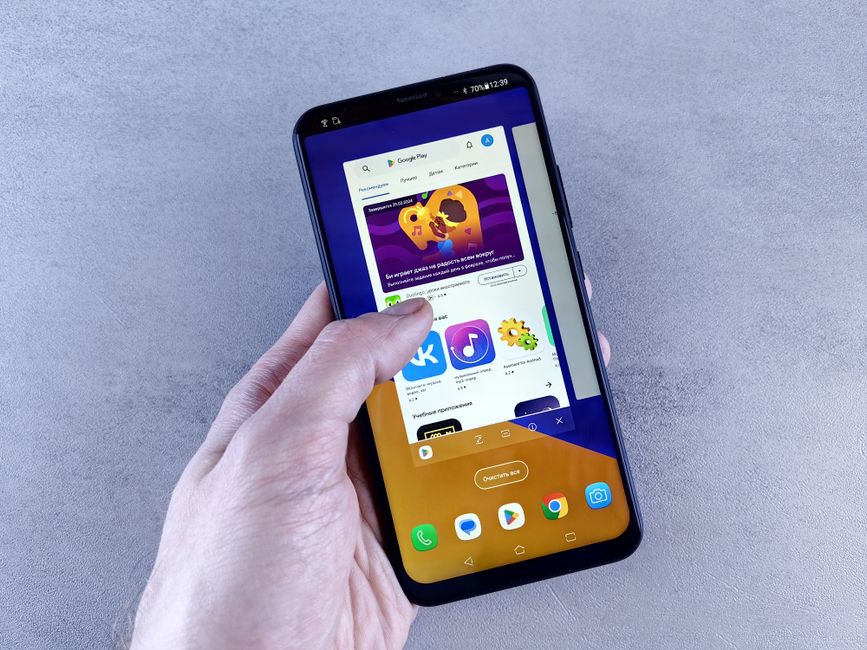
Google Play Store: Verified and secure, sourcing apps here reduces the need for extra diagnostics on installation integrity. Third-Party Stores and APKs: High variability and risk of tampered packages mean more extensive troubleshooting but should still only request limited info. Version and Device Checks: Request minimal identifiers such as device model + OS version + exact error message for targeted help.Pause and verify: Check the user's hostname or download source in support messages to ensure they installed the app via a trusted channel before probing further.
iOS and iPadOS Install Realities
Unlike Android’s open ecosystem, iOS and iPadOS installations are tightly controlled through the App Store, which simplifies the support baseline.
- Minimize diagnostic requests since installation tampering risk is low. Focus support messages on relevant permissions and app settings. Ensure hostnames linked to in support messages always target Apple’s secure URLs (e.g., apple.com), never third-party domains.
Permission Hygiene and Timing of Prompts
Good permission hygiene is a cornerstone of data minimization—only ask for permissions when essential and at the right moment during the user journey.
Best Practices for Permission Prompts in Support
Contextual Triggers: Introduce permission requests aligned with the feature use case rather than all at once. Explain Purpose Clearly: Support messages should briefly clarify why a permission is necessary, helping users make informed decisions. Limit Support Data Requests: During troubleshooting, avoid asking users for blanket access to all permissions rather than targeted ones. Use System Logs Sparingly: If logs are requested, guide users to share only non-sensitive diagnostic details filtered through safe tools.Example: When a feature requires location access, support can guide the user to enable location permissions only after explaining how it resolves the issue—rather than requesting all permissions upfront.

Data Minimization and Safe Support Requests
At the heart of effective support messaging is the principle of safe support requests—messages that protect user privacy by design.
Checklist for Safe Support Requests:
Verify User Context: Start by validating app version, device model, OS version, and any error codes. Limit Data Requested: Ask for the tiniest dataset needed—avoid requesting sensitive info such as passwords or one-time codes. Hostnames and Links: Confirm all URLs you share are from trusted, official domains to prevent phishing. Use Secure Channels: Always conduct support exchanges over encrypted connections and authenticated platforms. Document and Audit: Keep logs of minimal data collected for troubleshooting, with clear expiration policies. Empower Users: Educate users how to share screenshots or logs that do not expose more personal data than necessary.Example: Android Support Message with Data Minimization
Support Prompt Data Minimization Aspect "Please confirm the app version from Settings > About, your device model (e.g., Samsung Galaxy S21), and the exact error message shown." Requests only essential app and device info without personal identifiers. "If prompted, please enable location permission temporarily for this feature to work, then disable it if you wish." Permission request is time-bound and clearly explained. "Visit official Google Play Store page to verify the latest version." Directs user to a verified hostname to reduce scam risk.Conclusion
Data minimization in app support messages is not just a best practice but a necessity in the current privacy-conscious environment. By carefully verifying app source hostnames, respecting platform-specific installation realities for Android and iOS, practicing impeccable permission hygiene, and crafting safe support requests, support teams can protect user privacy without sacrificing troubleshooting effectiveness.
Incorporating these habits builds user confidence, encourages transparency, and ensures compliance with global and regional privacy regulations—all while making your support operations lean, secure, and user-friendly.
Further Reading and Resources
- Google Play Protect and Verified Downloads Apple App Store Guidelines A Guide to GDPR Data Minimization Permission Management on Android Manage App Permissions on iOS