In today's fast-paced world, slot games aren’t just for long sessions at a desktop computer or a dedicated app on a tablet. Increasingly, players are turning to their smartphones during brief moments of downtime—think coffee breaks, waiting in line, or just a moment of mental pause—to enjoy a few quick spins. This micro-entertainment trend emphasizes the importance of a slot’s portrait UI design, where readability and ease of interaction directly impact the player’s experience.
But why do some slots feel perfectly readable and intuitive in portrait mode, while others become a cluttered mess? How do companies like Mr Q Casino and browser-based platforms optimize these experiences? And what do regulators such as the UK Health and Safety Executive (HSE) say about screen time and ergonomic factors during mobile gaming sessions? In this deep dive, we’ll explore the core reasons behind varied portrait mode usability in slots, touching on button placement, reel size, and the interplay between browser-based access and native app installs.
The Rise of Smartphone-Driven Short-Session Habits
Smartphones and tablets have redefined how and when games are played. With modern mobile browsers delivering near-native app performance, players can jump into casino lobbies without lengthy downloads or storage concerns. According to usage data, many gaming sessions now last just a few minutes, coinciding with natural pauses in everyday life.
These micro-entertainment windows—often during coffee breaks or while commuting—mean slots must present their content immediately and clearly to capture and hold attention without overwhelming the player.
Slots as Self-Contained Rounds With Low Memory Load
Unlike sprawling narrative games or complex strategy titles, slot sessions are typically short and self-contained. Each spin or round is easily digestible, requiring no sustained memory of past plays beyond immediate results and https://xn--toponlinecsino-uub.com/why-do-news-apps-and-slots-both-feel-made-for-short-attention-spans/ occasional bonus features. This low cognitive demand makes it perfect for players seeking quick relaxation.
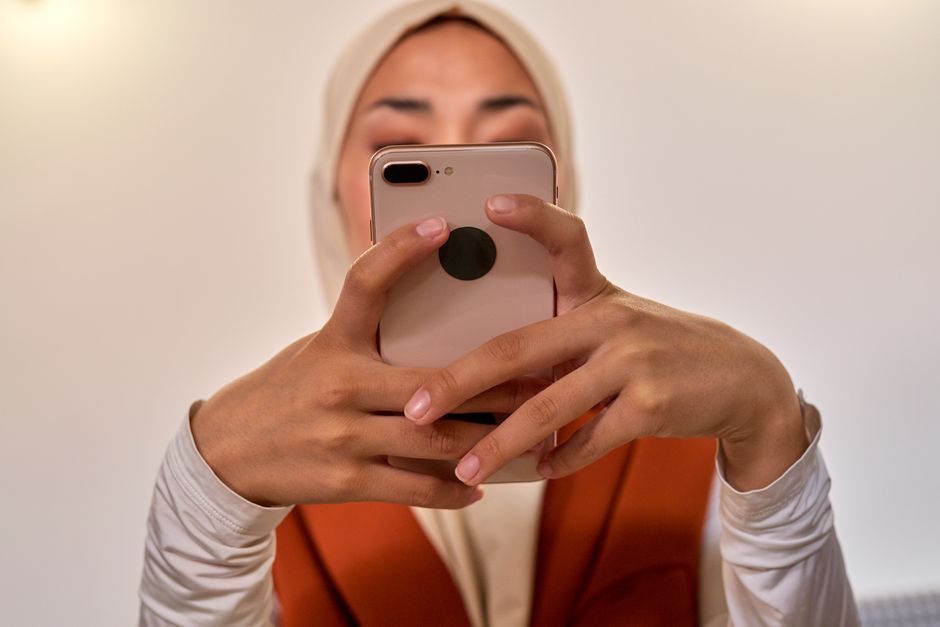
However, this advantage can quickly turn sour if the UI doesn’t prioritize clarity. Confusing https://varimail.com/articles/what-are-wilds-and-scatters-and-how-do-i-spot-them-fast/ button layouts or hard-to-see reels can increase frustration and lead to unnecessary app toggling or abandonment.
Why Portrait UI Matters So Much in Slots
Many slot developers historically optimized their games for landscape orientation, mimicking the traditional arcade or desktop experience. However, the increasing shift to portrait mode has uncovered weaknesses in design thinking.
Portrait mode uses vertical screen real estate efficiently but demands thoughtful structuring of all interactive elements — particularly:

- Button placement Reel size and visibility Information hierarchy and typography
Button Placement: Thumb Reach and Interaction Friction
Mobile UX research shows that buttons placed too close to screen edges or grouped awkwardly disrupt natural thumb movement. In slots, essential controls like “Spin,” “Max Bet,” and “Autoplay” need to be within comfortable reach without obscuring the reels.
Some games from reputable operators like Mr Q Casino design their portrait interfaces to allow single-thumb control when holding the phone naturally. Others are more rigid, forcing players to adjust grip or even switch to landscape, adding friction to the experience.
Reel Size: Balancing Visibility and Screen Constraints
The reels are the heart of any slot. Players must see symbol combinations clearly to experience excitement and understand wins. However, portrait mode often means less horizontal screen space for the reels compared to landscape.
Smart designers scale reel size dynamically. Larger reels with high-contrast symbols improve readability but can push other UI elements off screen or shrink button sizes. Conversely, overly compact reels make it difficult to distinguish symbols, harming the thrill and clarity.
Browser-Based Access vs App Installs: Impacts on UI Design
With modern mobile browsers like Chrome, Safari, and Firefox supporting advanced HTML5 games, many slots now launch seamlessly within mobile browser tabs without a native app install. This comes with both advantages and challenges for portrait readability.
Aspect Browser-Based Slots App-Based Slots Installation friction None; instant access suits micro-sessions Requires download, beneficial for loyal players Performance Usually good, but depends on browser and device Generally optimized for device, often smoother UI Consistency Varies widely to fit browser constraints More control; UI can be tailored exhaustively Screen Orientation Control Limited—browser may override orientation locking Full control—can enforce portrait or landscapeThe immediacy of browser-based slots favors clear portrait UI designs that minimize load steps. Given that the UK Health and Safety Executive (HSE) encourages regular breaks and recommends limiting continuous screen time, particularly for near work, the combination of browser-based play and concise portrait interfaces makes slots an ideal modern micro-entertainment choice.
Ergonomics, Responsible Gaming, and Taking Breaks
An often overlooked aspect of slot design on mobile is the role of ergonomics and player well-being. The UK Health and Safety Executive (HSE) guidelines remind developers and players alike to consider eye strain, posture, and the mental load of screen interaction. Portrait mode slots that force heavy scrolling, tiny buttons, or landscape mode switching can break the natural flow and increase strain.
Whether playing at Mr Q Casino or other regulated UK gambling sites, it’s crucial to balance engagement with responsible play. And beyond screen-based entertainment, experts encourage integrating non-screen breaks such as:
- Stepping outside for fresh air Stretching or walking for a few minutes Enjoying a quick coffee or water break during slot session pauses
These habits help keep the micro-moments refreshing instead of tiring, encouraging healthy gaming patterns.
Visual Inspiration and Design Trends
Designers often look to resources like Unsplash to gather inspiration for color palettes and compositions that translate well to small portrait screens. High-contrast, visually distinct symbols and minimalist controls improve symbol recognition and reduce cognitive friction.
As portrait mode becomes the dominant orientation for mobile slots, expect to see more games investing in both reel design and button layout to maximize readability and ensure every quick session feels seamless.
Summary: Why Portrait Readability Varies Among Slots
- Button placement: Slots optimized for thumb reach and minimal finger stretching reduce friction. Reel size and symbols: Balanced scaling improves symbol clarity without compromising controls. Browser vs App: Browser-based slots demand lighter, immediate UI; apps can afford more complexity but risk longer load times. User habits: Smartphone-driven short sessions require quick engagement and low memory load rounds. Ergonomics & breaks: Incorporating healthy usage guidelines like those from the UK HSE improves player comfort and long-term satisfaction.
Whether you’re spinning slots at Mr Q Casino, testing out a new browser-based slot, or just curious about mobile casino design trends, understanding these UI principles helps explain why some slots just “feel right” in portrait mode and others don’t. Next time you reach for a quick gaming break, notice how button placement and reel size either make the experience fluid or frustrating. And remember—sometimes the best slot session is one that includes a short walk or pause away from the screen.